

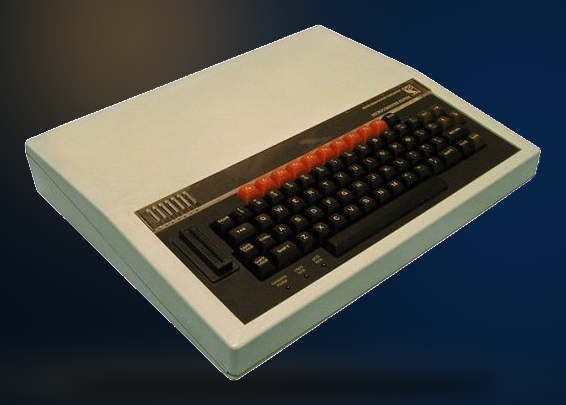
BBC Micro | TechMuseum
Year of manufacture: 1981-1994
Technical Specifications:
- Processor: MOS Technology 6502A, 2 MHz
- RAM: 16 – 128 KB (depending on the model)
- FDD: Optional
- HDD: –
- Audio: four independent sound channels
- Connectors/Ports: three video, serial and parallel printer, 8-bit general purpose digital, four analogue inputs, light pen, expansion
- Case: Keyboard type
- Monitor: Color
- OS: Acorn MOS
The BBC Micro features a MOS Technology 6502A processor at 2 MHz and memory of 16 up to 128kB. Equipped with a floppy disk of 3.5” at 880kB it ran with the operating system of AmigaOS version.
Acorn Computers designed and manufactured a series of home computers for the infamous BBC, the BBC Micro family (British Broadcasting Corporation Microcomputer System). The series launched in the beginning of 1980s and rose to popularity almost instantly. The design originally targeted the education, thus having a rugged sturdy form factor, expandability and quality of hardware and software at the same time.
The BBC Micro product line was deployed to schools and was the top one choice in the United Kingdom, despite its high cost and unreachable price tag. The series consists of six original Micros in the lineage and all others to follow were part of the Acorn’s Archimedes line.
That was just a snapshot on the presentation of the techmuseum series. Indulge more into the history. Continue reading more about the present model, the BBC Micro here.
PC.GR
The history of personal computers
Explore this exhibit with the video guide, which opens the PC.gr presentation in a video window.