
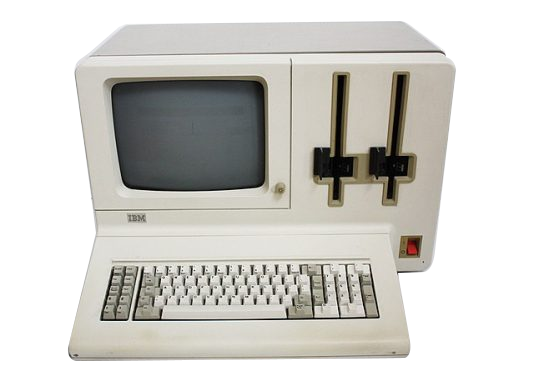
IBM System/23 Datamaster, Model 5322
Year of manufacture: 1981-1985
Technical Specifications:
- Processor: Intel 8085, 4.77MHz
- RAM: 256 KB
- FDD: two 8″ floppy
- HDD: –
- Audio: –
- Connectors/Ports: serial, printer, six internal slots
- Case: Desktop type
- Monitor: Monochrome
- OS: BASIC
The IBM System/23 Datamaster features an Intel 8085 processor at 4.77 MHz and memory of 256kB. It is equipped with two floppy disks of 8”.
IBM marketed the System/23 Datamaster as the least expensive IBM computer to launch until the release of the popular IBM PC a month later. It is an all-in-one computer with text-mode, display with 80×24 text with possible characters. The marketing point of this computer was the ability of common home users to function it with ease.
International Business Machines Corporation (IBM) is an American multinational technology corporation with operations in over 171 countries. The company was founded in 1911, in New York. IBM has a large variety of business divisions, ranging from hardware and software production to hosting services. For 29 consecutive years holds the record for most US patents generated. Furthermore, IBM, as a strong research organization as well, has presented inventions such as the FDD and HDD drives, the ATM, the SQL language for programming, the Barcode and DRAM among others.
Continue reading more about the present model, the IBM System/23 Datamaster here.
PC.GR
The history of personal computers
Explore this digital exhibit with the video guide, which opens the PC.gr presentation in a video window. Source series: TechMuseum.